
The Top 5 Wildlife Mistakes Visitors Make in National Parks (And How to Avoid Them)
Planning to see wildlife in a National Park this summer? Learn the five most common mistakes visitors make - and how to safely enjoy unforgettable wildlife encounters.
Seeing wildlife is one of the most memorable parts of visiting a National Park. Here's how to experience it safely, responsibly, and respectfully.
Watching a bison graze across a Yellowstone meadow. Hearing elk bugle in the morning. Catching a glimpse of a black bear from a safe distance. These are the moments many travelers remember most. Unfortunately, every summer also brings stories of visitors getting too close to wildlife in search of a better photo or a closer look. The result? Dangerous encounters that put both people and animals at risk.
The good news is that most wildlife incidents are preventable. By understanding a few common mistakes - and following the Leave No Trace principle of Respect Wildlife - you can help protect yourself, your family, and the incredible animals that call our National Parks home.
Mistake #1: Getting Too Close for a Better Photo
One of the most common mistakes visitors make is treating wildlife like they're at a zoo. Animals may appear calm. They may even ignore people nearby. That doesn't mean they're comfortable.
Bison can run nearly 35 miles per hour. Elk, moose, bears, and other wildlife can react in seconds if they feel threatened or surprised.
Tip: Zoom your camera - not your feet. The National Park Service recommends staying:
25 yards from bison, elk, deer and other large wildlife
100 yards from bears and wolves
If your camera can't capture the shot from a safe distance, enjoy the moment instead.
Mistake #2: Forgetting You're in Their Home
National Parks weren't built for us. They're home to the wildlife that lives there every day. Every time we step onto a trail, we're entering their habitat. Respecting wildlife isn't just about keeping your distance.
It's about allowing animals to feed, rest, migrate, hunt, and care for their young without interruption.
Tip: Observe. Don’t interrupt. The best wildlife encounters happen when animals continue behaving naturally because they barely notice you're there.
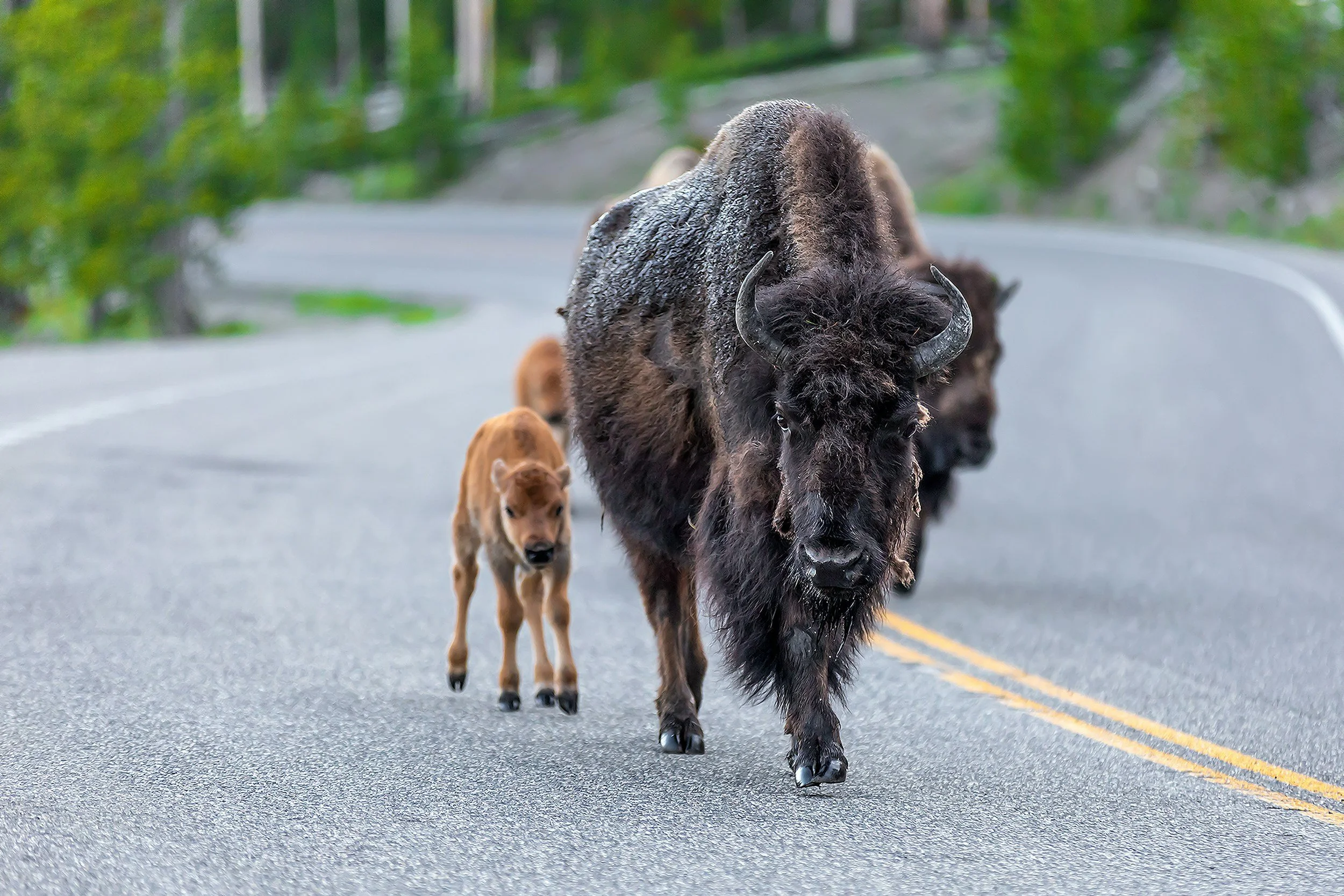
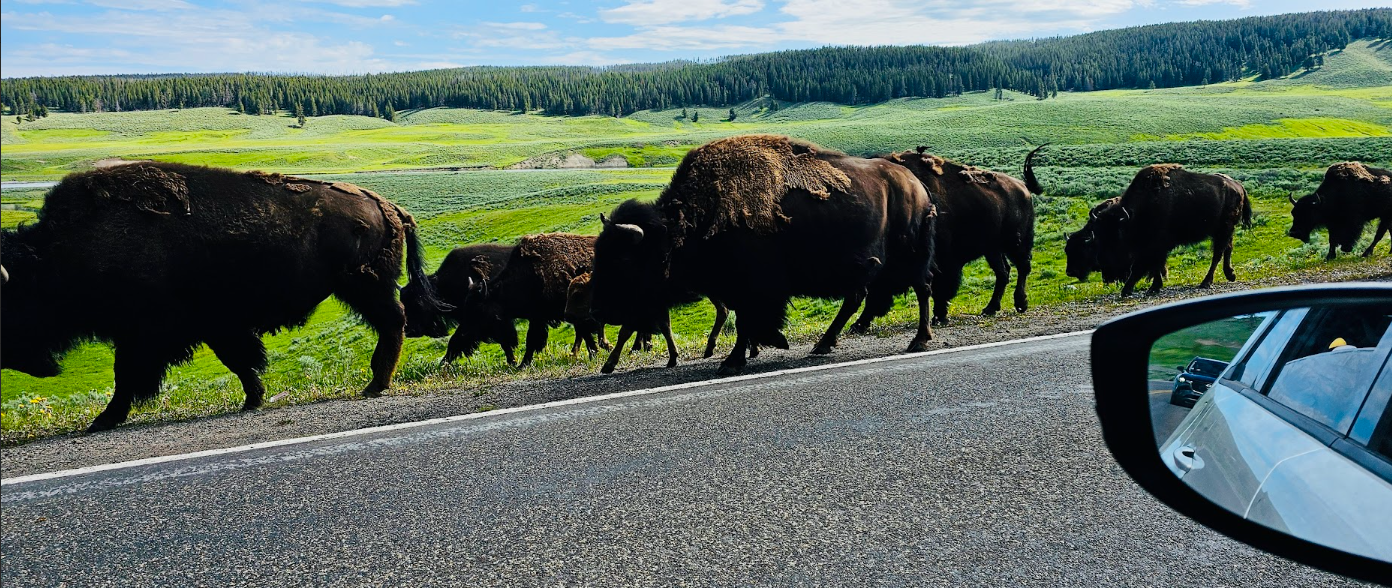
“Bison Jam” at Yellowstone National Park
Mistake #3: Assuming Calm Means Safe
A grazing bison. A resting bear. An elk standing quietly in a meadow. None of these behaviors mean an animal is safe to approach.
Wildlife often gives very little warning before reacting. Their body language can change quickly, especially during mating season, when protecting young, or if they feel cornered.
Tip: Watch distance and behavior. If an animal changes what it's doing because you approached, you've already gotten too close.
Mistake #4: Feeding Wildlife
It may seem harmless to toss a squirrel a cracker or leave food out near a campsite. It’s not. Feeding wildlife changes natural behaviors, encourages animals to approach people, and can create dangerous situations for future visitors.
Food-conditioned wildlife often loses its natural fear of humans, leading to more conflicts - and sometimes the animal pays the ultimate price.
Tip: Pack out everything you pack in. Even crumbs matter.
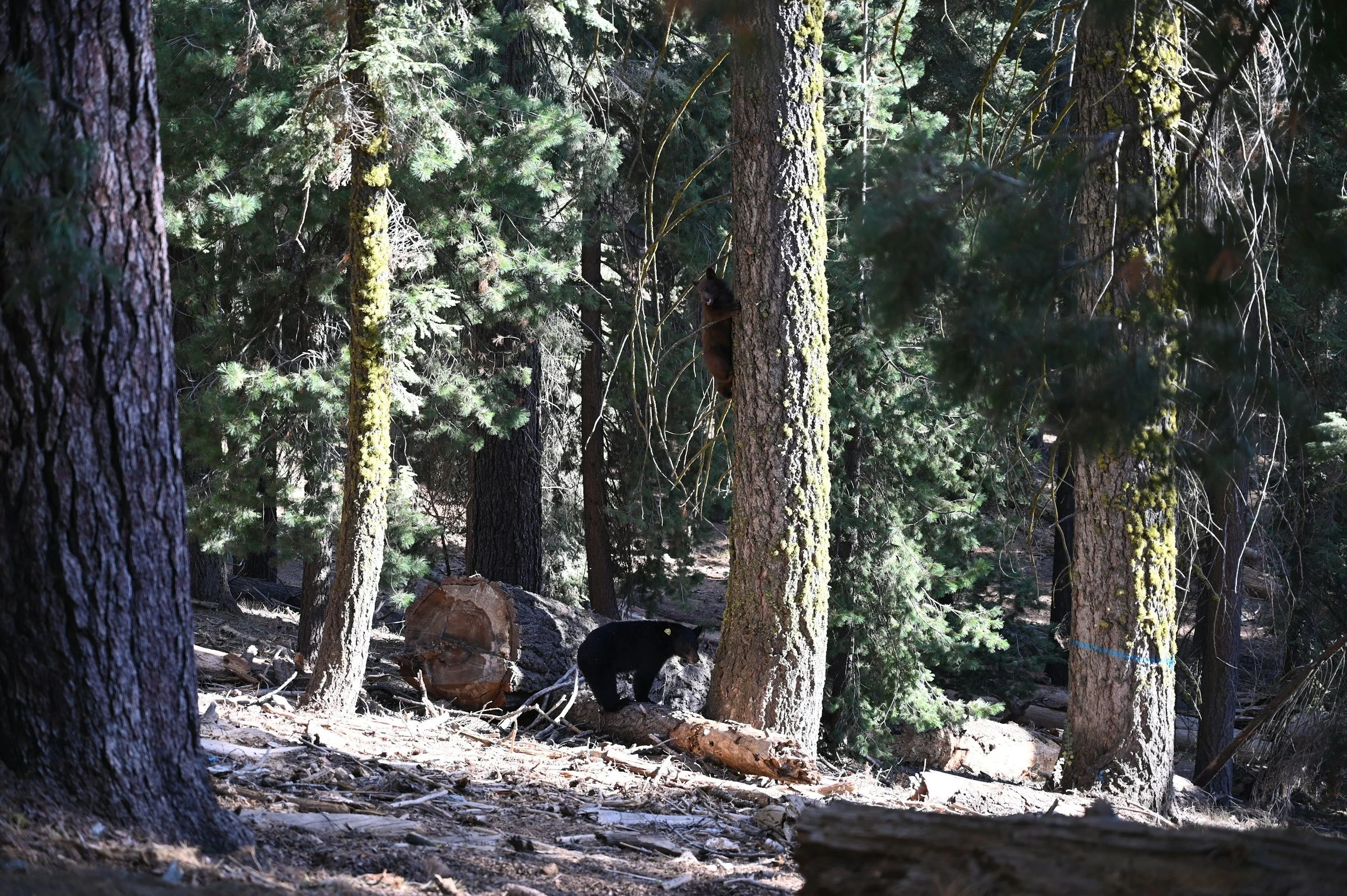
Black bear and her cub at Sequoia National Park, California
Mistake #5: Treating Wildlife Encounters Like a Checklist
Many travelers feel pressure to "see everything." That mindset can lead to rushed decisions, crowded pullouts, and unnecessary risks. Wildlife isn't an attraction performing on a schedule.
It's one of the reasons National Parks remain wild. Sometimes the most meaningful wildlife encounter lasts only a few seconds and sometimes you won't see the animal you hoped for at all. That's part of the experience.
Tip: Leave expectations behind. Respect the moment you’re given.
🌿More about the Leave No Trace Principle: Respect Wildlife
This is one of the seven Leave No Trace Principles and it’s simple: Respect Wildlife.
That means:
Observe wildlife from a distance.
Never feed animals.
Avoid approaching or following wildlife.
Store food securely.
Respect seasonal closures and restrictions.
The goal isn’t simply to keep visitors safe. It’s to ensure wildlife can continue behaving naturally for generations to come.
Whether you're hoping to see bison in Yellowstone, moose in Grand Teton, or black bears in Great Smoky Mountains, we'll help you build an itinerary that gives your family the best chance to experience wildlife safely and responsibly. Book a 20-minute planning session through the link below.
Here’s to great (and safe) adventures.
Need Help Planning Your Summer Park Trip?
A 20-minute Roam Ranger session helps you map out timing, routes, and must-see stops - so you can avoid peak-season mistakes before they happen.
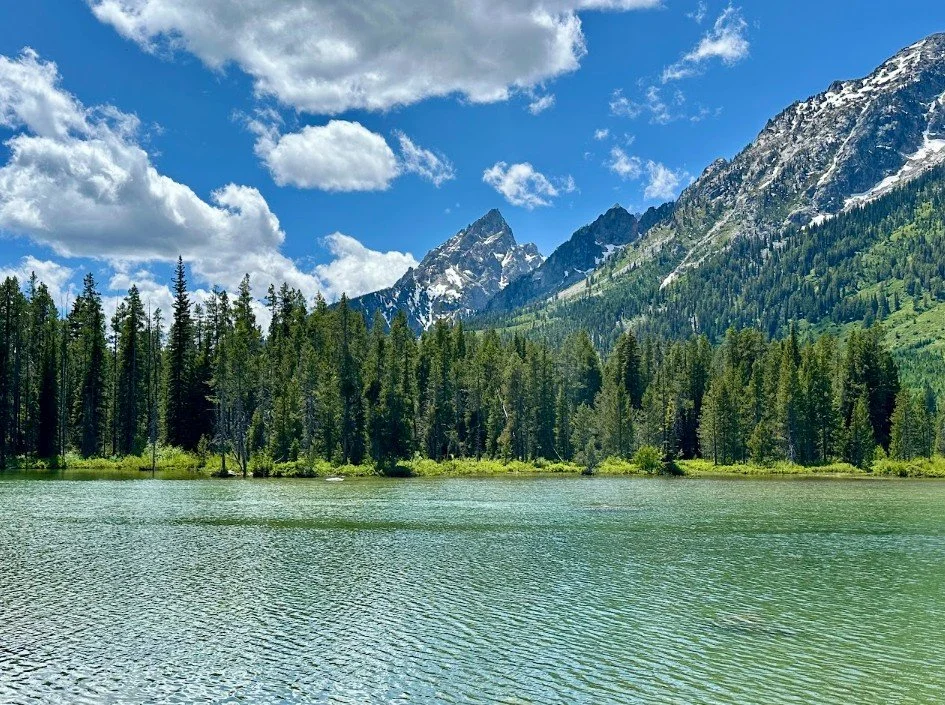
Grand Teton National Park: Top 5 Mistakes Travelers Make
Experience Grand Teton National Park the smarter way. From wildlife viewing and scenic lake stops to hiking, lodging strategy, and Yellowstone combo trips, here are the most common planning mistakes travelers make - and how to avoid them for a smoother, more memorable trip.
Smarter Dual-Park Planning - 2026 Grand Teton Guide
Grand Teton National Park is one of the most common add-ons to a Yellowstone trip - and for good reason. The parks sit just south of each other, making them a natural pairing for travelers visiting the region. But while many people plan extensively for Yellowstone, they often underestimate Grand Teton. We regularly see travelers trying to squeeze the Tetons into a rushed day or two without realizing how different the experience is.
Grand Teton is more scenic, slower paced, and heavily shaped by timing, wildlife activity, hiking ability, and lodging location. Because so many travelers visit both parks together, we chose Grand Teton to help travelers avoid the most common planning mistakes we see.
Mistake #1: Treating the Tetons as a Quick Yellowstone Add-On
We say this all the time - do not underestimate the parks and the Grand Tetons are no exception. Many travelers only spend a rushed afternoon in Grand Teton before moving on to Yellowstone.
The Fix: The Tetons are best experienced slowly - this park is more about the experience than checking off attractions. If possible:
Plan at least 2 nights
Give yourself flexibility for wildlife, weather, and scenic stops
Don’t underestimate how much time hikes, lake areas, and parking take
Mistake #2: Underestimating Wildlife Safety
Grand Teton is incredible for wildlife viewing, but many visitors get too close to animals or aren’t prepared for bear country.
The Fix: Wildlife is part of what makes the Tetons unforgettable - but safety and distance matter here. Remember to:
Carry bear spray on hikes
Stay 25 yards from most wildlife and 100 yards from bears and wolves
Keep kids close in brushy or wooded areas
Never stop unsafely for wildlife photos
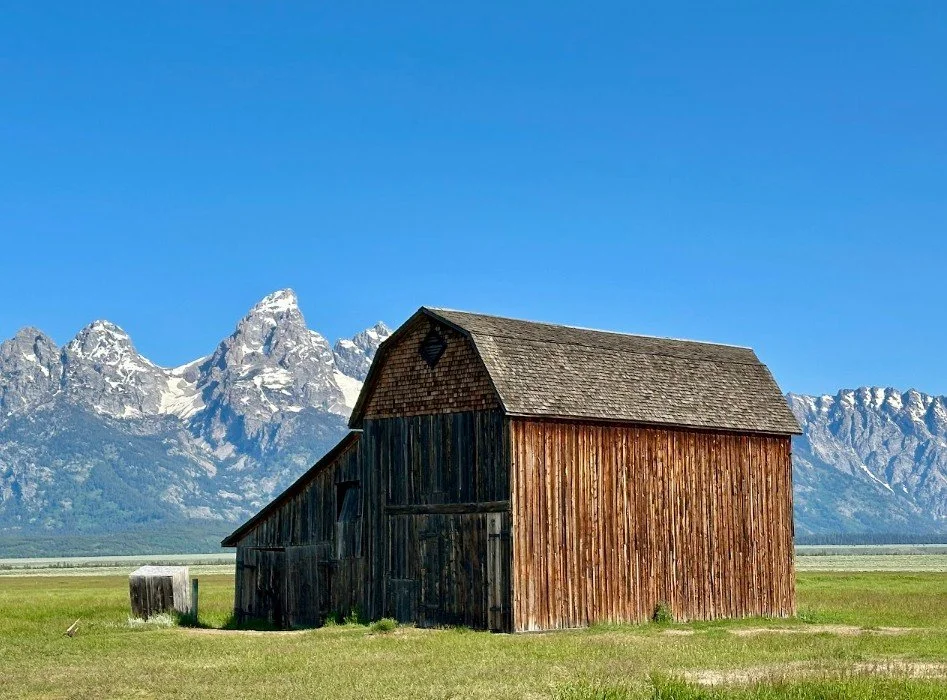
T.A. Moulton Barn, located in the Mormon Row Historic District of Grand Teton National Park
Mistake #3: Assuming Summer Means Easy Hiking
Even in summer, Grand Teton trails can still have snow, mud, thunderstorms, or rapid weather changes.
The Fix: Remember that shorter scenic hike is often a better experience than overcommitting to an aggressive itinerary. Also plan to:
Start hikes early
Pack layers
Bring extra water
Research elevation gain carefully
Have backup hike options
Mistake #4: Skipping Lake Activities Entirely
Many travelers focus almost exclusively on scenic overlooks and hiking trails without realizing how much the lakes shape the Grand Teton experience. Some of the most memorable moments in the park happen on or around the water.
The Fix: Even if you’re not planning a full water-focused trip, leave time to experience the lakes beyond a quick photo stop. The lakes add a completely different perspective to the Tetons and often become travelers’ favorite part of the trip.
Consider:
Boating or kayaking on Jenny Lake or Jackson Lake
Scenic lakeside walks
Early morning reflection views
Picnic time near the water
Short ferry rides across Jenny Lake to access hikes more efficiently
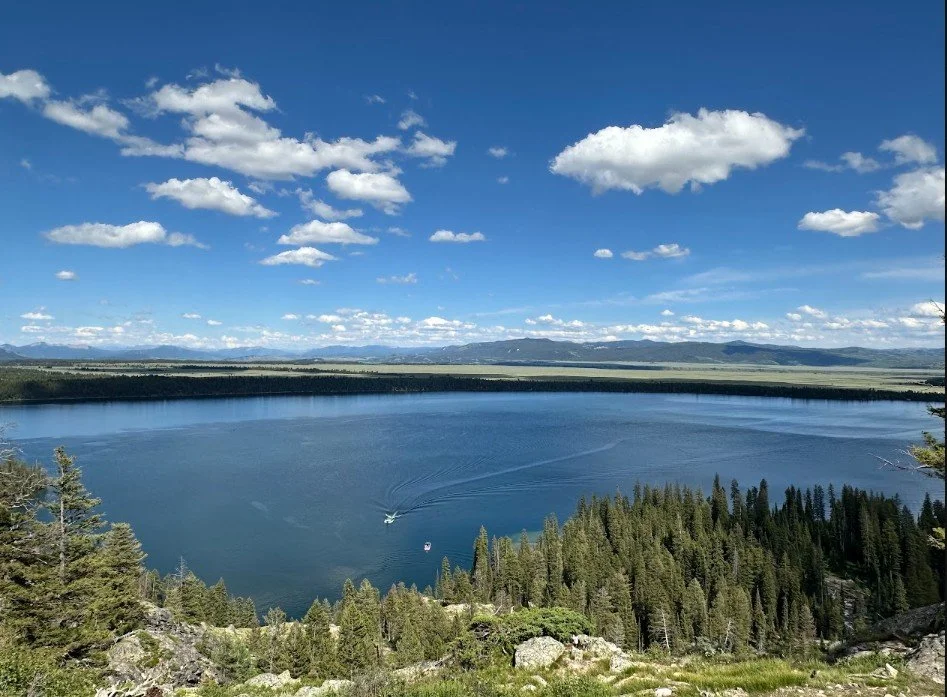
Inspiration Point hike, 400 feet above Jenny Lake
Mistake #5: Staying in the Wrong Area for Your Trip Style
Many travelers book lodging based mostly on availability or price without realizing how much it impacts the overall trip. Lodging in and around Grand Teton is relatively limited — especially during summer — so it’s easy to accidentally add hours of driving each day.
The Fix: Choose lodging based on the experience you want most, not just availability. Think through whether your trip priorities are:
Easy park access
Wildlife viewing
Hiking proximity
Lake activities
Yellowstone connectivity
Dining and town atmosphere
Family convenience
And book early whenever possible. Grand Teton lodging fills quickly during peak season, especially in-park stays and well-located properties near the park entrances.
Grand Teton National Park is one of the most rewarding parks in the country, but it’s far more enjoyable with realistic pacing and thoughtful planning.
If you want help narrowing down hikes, timing, lodging areas, Yellowstone plus Tetons logistics, or building an itinerary that actually fits your group and travel style, check out Roam Ranger.
Advice only. No bookings. Just practical National Park trip guidance from an experienced adventure guide.
Here’s to great adventures.
Need Help Planning Your Summer Park Trip?
A 20-minute Roam Ranger session helps you map out timing, routes, and must-see stops - so you can avoid peak-season mistakes before they happen.
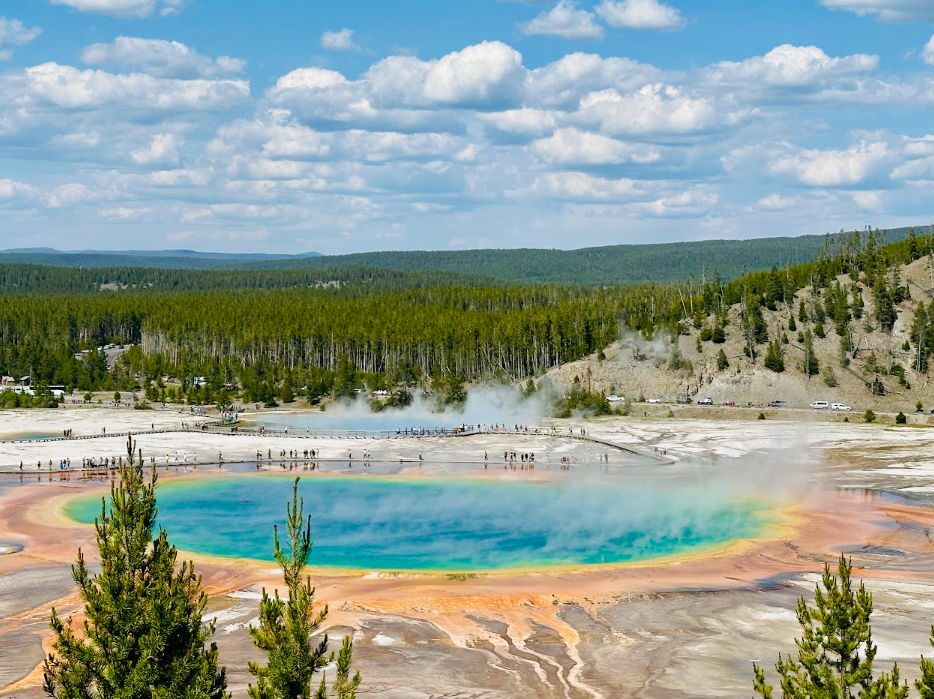
Yellowstone National Park: 5 Mistakes to Avoid This Summer
A Smarter Way to Experience Yellowstone - 2026 Guide
It’s clear that families and groups are looking for simple, practical ways to take the stress out of national park planning heading into peak summer season. Next up, we’re turning our attention to one of the most visited - and most logistically complex - parks in the country: Yellowstone.
From underestimating drive times to overpacking itineraries, we share five key planning tips to help you experience Yellowstone with less stress so that you have more time to explore.
Mistake #1: Trying to “See It All” in One Trip
Yellowstone is massive. One of the biggest mistakes families make is overpacking the itinerary and they end up bouncing all over the park instead of maximizing time.
The Fix: The key is not trying to connect everything - it’s grouping your days by region. Your group will have a much better experience when each day has a clear “home base” area. Some suggestions are:
A day focused on Old Faithful + Upper Geyser Basin + Grand Prismatic Spring (Midway Geyser Basin)
A day in the Grand Canyon of the Yellowstone (Artist Point, Lower Falls, Hayden Valley)
A day in Lamar Valley for wildlife viewing + sunrise drives
Mistake #2: Starting Too Late in the Day
Summer crowds build quickly, and popular areas fill up early. Late starts often mean traffic, limited parking, and rushed experiences at the major sights.
The Fix: Plan early mornings around high-traffic hotspots. Shifting your start time 60 - 90 minutes earlier can completely change your experience. We suggest prioritizing these:
Grand Prismatic Spring Overlook (Midway Geyser Basin) before 9 a.m.
Arrive at the Old Faithful eruption viewing area early to avoid crowds and parking stress
Lamar Valley at sunrise for the best wildlife activity (bison, wolves, elk)
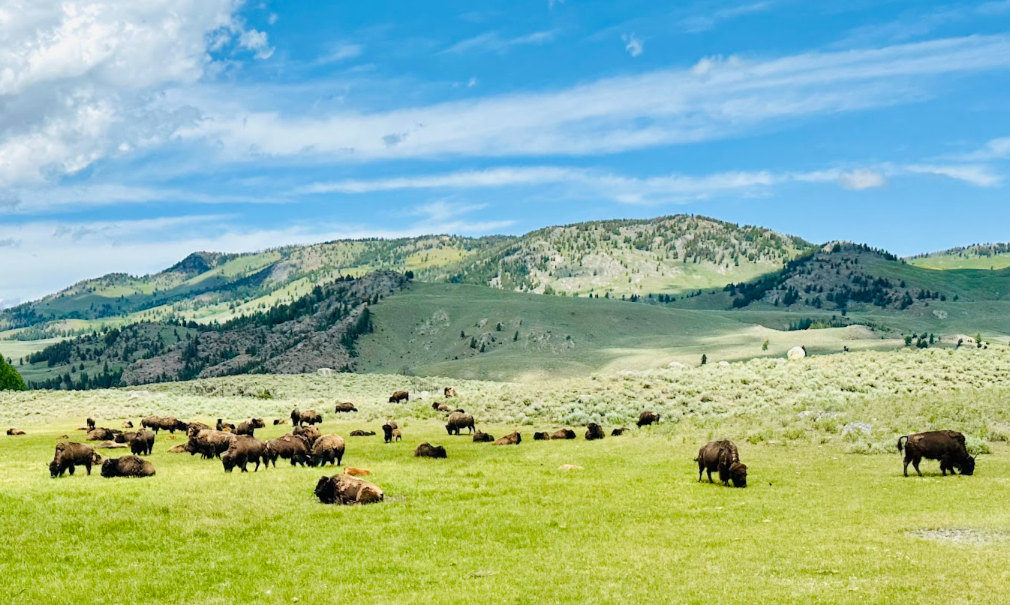
Bison in Lamar Valley
Mistake #3: Underestimating Drive Times
Getting around Yellowstone is not generally fast - especially during peak season. Even short distances often take time, so it’s essential to build in a buffer.
The Fix: Build in extra time and treat the journey as part of the experience. Some examples of plan for:
Old Faithful → Canyon Village: often 2+ hours with stops
Canyon → Lamar Valley: long but scenic drive with frequent wildlife slowdowns
Norris Geyser Basin stops often create unexpected delays due to parking and walking loops
Mistake #4: Sticking Only to the Main Attractions
Yellowstone is iconic for a reason, and the key sites are incredible - but they are also where the crowds congregate.
The Fix: One of the best ways to upgrade your trip is to intentionally build in at least one lesser-known or quieter stop each day. The following do not require major detours and help balance out the more crowded spots:
Black Sand Basin - just minutes from Old Faithful, but far less crowded than nearby geyser basins
West Thumb Geyser Basin - smaller, scenic, and often easier to move through than Upper Geyser Basin
Roosevelt Arch overlook areas near Gardiner - for a quieter entrance experience
Gibbon Falls - a quick roadside stop between major geyser regions that many people skip
Scenic pull-offs along the Firehole Canyon Drive - a short, low-effort break from busier areas
Mistake #5: Relying on Cell Service
Spoiler: You probably will not have much coverage, which can make planning on the fly difficult.
The Fix: Download maps ahead of time and grab a physical map when you enter the park. The best approach is to map out your itinerary in advance so you’re not relying on connectivity in the moment (Roam Ranger can help with that 🙃).
Need Help Planning Your Summer Park Trip?
A 20-minute Roam Ranger session helps you map out timing, routes, and must-see stops - so you can avoid peak-season mistakes before they happen.